
Raw material production
Traceability from the first stage
APX records where raw materials come from and what happens to them next. RFID, barcodes and GPS can capture data that follows the batch or load through production to the finished product. APX Integrator can connect it to your existing ERP system.
| GPS | RFID | Traceability | EUDR | Tailored to your industry |
What can you track?
Origin, batch and movement
Raw materials can be identified at their first registration and traced through receipt, production, storage and delivery. In forestry, the location and time of felling can be recorded and the timber identified further down the chain. In agriculture, a raw material can be linked to the field it came from. Traceability develops as the work happens, reducing the need to reconstruct records later.


Data capture suited to the raw material
How raw materials are recorded depends on the industry and the process. APX can use GPS, RFID and barcodes where appropriate.
Build documentation as work progresses
Record origin, batch, supplier and subsequent processing as goods move. When relevant, these records can help you retrieve documentation for the EUDR, the Norwegian Transparency Act, environmental product declarations and digital product passports.
Connect machines and equipment
APX can connect to different machines and data sources so information is recorded where the event takes place and does not have to be entered again later.
Ferskvarehuset
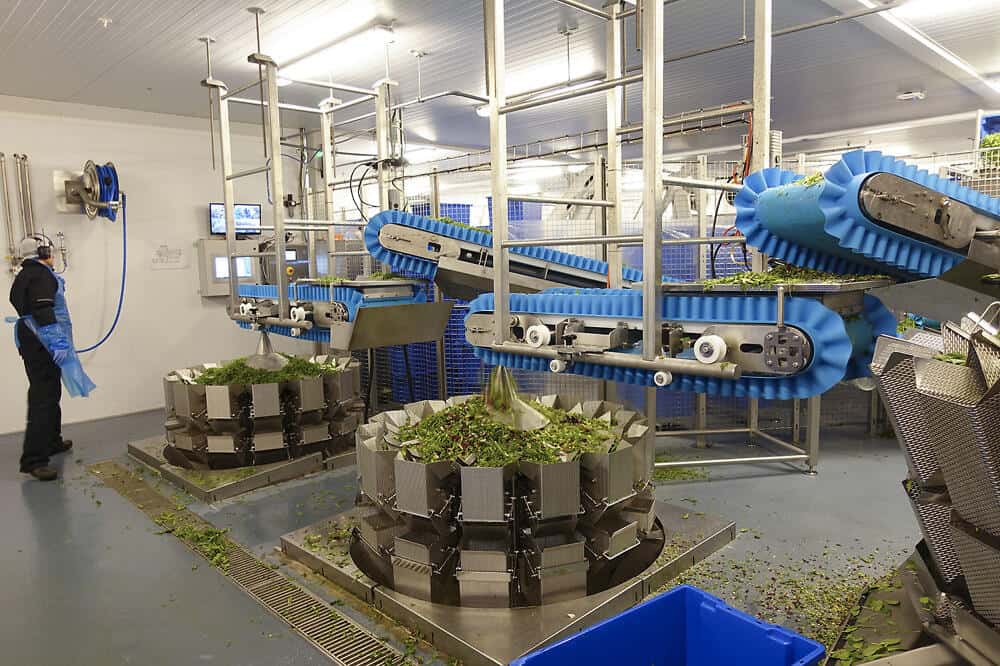
Ferskvarehuset wanted a modern salad packing plant and introduced APX for raw material handling and production. Raw materials are recorded and quality-checked on arrival before being released to production. The plant produces up to 1,000 pallets of green salad a week.
What does the EUDR require for raw material traceability?
The EUDR covers cattle, cocoa, coffee, oil palm, rubber, soya and wood, as well as a range of products derived from these commodities. For businesses within scope, relevant goods must be traceable back to the production area, beyond the immediate supplier.
The rules start to apply on 30 December 2026 for large and medium-sized operators, and on 30 June 2027 for most micro and small operators.
Geographic origin
Link the material to its production or extraction location and other origin data. GPS can capture location details where appropriate.
Unique identification
Batches, loads and other units must be distinguishable so each record continues to follow the correct raw material.
Data needs to travel with the goods
Information has little value if it stays in one system. APX can carry the item’s identity and supporting data through the supply chain so the next operator has the records they need without rebuilding the documentation.


