EUDR traceability for raw materials with APX EUDR-connect

Tracing goods back to their origin

When a consignment of timber travels from the supplier to the warehouse and on to a customer, information about its origin can accompany it throughout. APX EUDR-connect links available supplier data and evidence of origin to the correct raw material, batch or order line. Purchasing and receiving teams have the supporting records together when they check a batch or answer a question about a specific delivery.
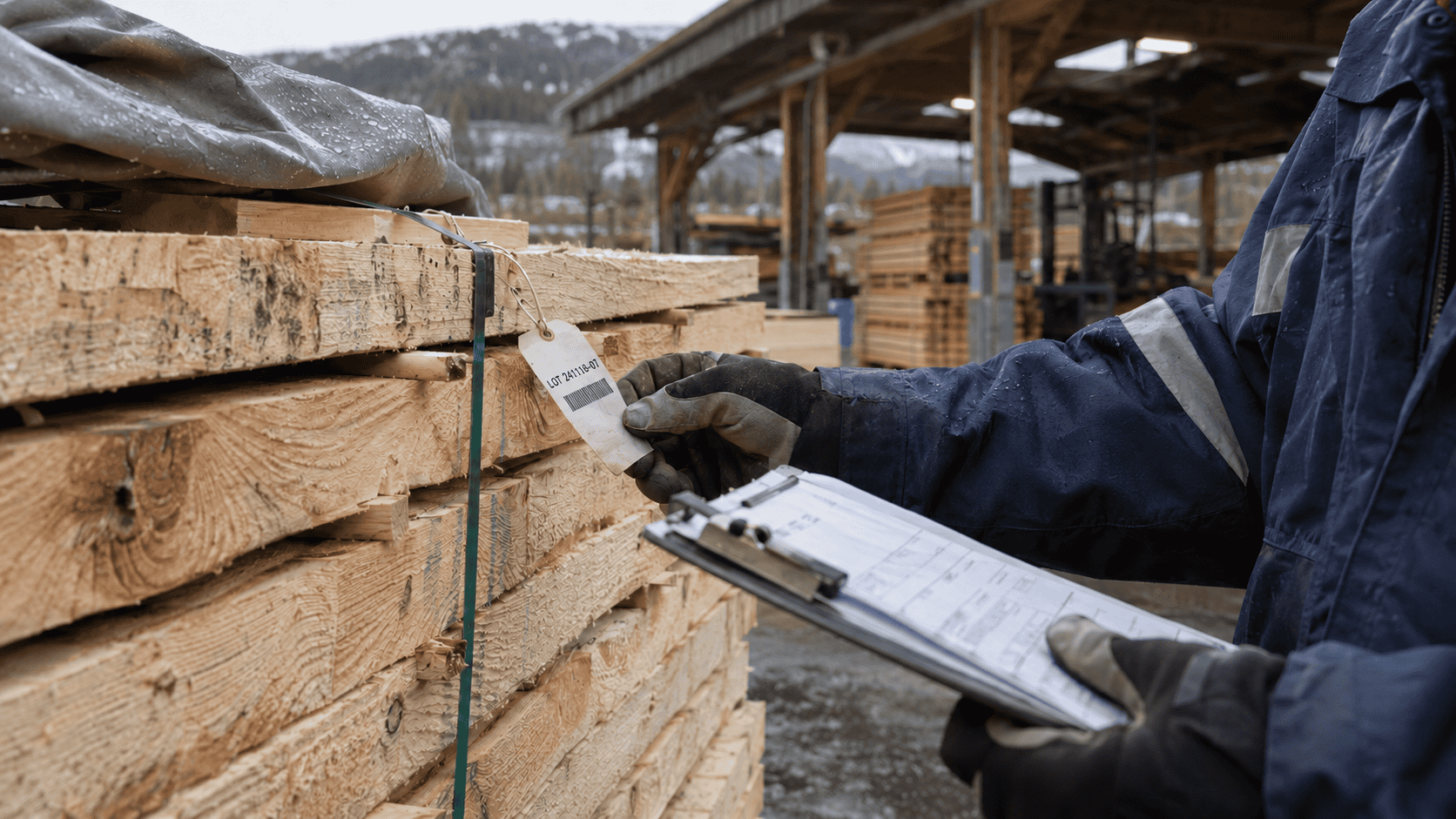
Warehouse worker checking batch labels and documents for a consignment of timber
EUDROriginTraceabilitySupplier dataItem line and batch

EUDR documentation in day-to-day logistics

When documentation is requested, you need to be able to trace the link between supplier, raw material and delivery. APX can make relevant information available where the goods are handled.

What is the EU Deforestation Regulation (EUDR)?

EUDR is the EU Deforestation Regulation. It sets requirements for specified commodities and products placed on the EU market or exported from the EU. A company's obligations depend on its role.

Which commodities and products are covered?

Annex I to the regulation defines the scope. It covers specified products derived from commodities including wood, coffee, cocoa, soya, oil palm, rubber and cattle. A product made from wood does not necessarily fall within scope.

Link supplier data to the correct item

Link documentation from suppliers and other relevant source systems to the product identifier. This lets staff retrieve origin and traceability information for the item in question.

Make documentation available at delivery

Give recipients access to relevant information for each order line or batch. That cuts down on searching through emails and attachments when they need to check supporting documents.

How EUDR documentation is linked to the flow of goods

APX links product information to the movement of goods. The sources, fields and access rights you need depend on your products, suppliers and requirements.

1. Identify the goods
Link the commodity, product and, where applicable, batch to the correct identifier in APX.
2. Link supporting records
Relevant data is retrieved from, or linked to, suppliers and connected sources.
3. Information travels with the delivery
Retrieve the records with the corresponding item line and goods receipt.
4. Keep information accessible
Changes at the source can be reflected in the information made available to users.

What does the EUDR mean for your business?

The requirements depend on the commodity code, raw material and your role in the supply chain. Establish which information you need to collect, check and make available.

Importer or producer?

Questions to settle before setup

Identify the products covered and the origin information suppliers need to provide. Link the supporting documents to the correct raw material and product from the outset.

What APX provides

Supplier data · Product identity · Documentation by order line

Are you a retailer or wholesaler?

Questions to settle before setup

Keep the purchase, its documentation and the product sold on linked together. Establish which obligations apply to your role.

What APX provides

Purchasing workflow – warehouse management – documentation available at delivery

Are you a buyer or contractor?

Questions to settle before setup

Request the relevant origin documentation for the goods you buy. The product’s commodity code and supply chain determine what applies, including for building materials.

What APX provides

Order lines · Deliveries · Links to supporting records

Food production or industry?

Questions to settle before setup

Certain commodities and products may fall within the scope of EUDR. Link the batch and raw material to the supplier information you may need to retrieve.

What APX provides

APX eTrace – batch and serial numbers – EtikettDesign

Does the EUDR apply to all wood-based products?

Check the commodity code against the current Annex I. The regulation covers specified commodities and products. Wood content alone does not determine whether a product is in scope.

What supporting documents might be relevant?

The records may include the product description, quantity, supplier and place of production. The exact requirements depend on the product and the business’s role. APX can link the relevant documents to the movement of goods so they are easier to find.

Is an EPD sufficient documentation for the EUDR?

No. An EPD describes environmental impacts, while the EUDR concerns deforestation-free commodities and products. Read about EPDs and environmental declarations. Both types of records can be linked to the same item, but they serve different purposes.

How can APX support our EUDR work?

APX can make supplier, origin and traceability data available. These records support the work. The business must handle due diligence and any submission to the EU information system as part of its own process.

How does the EUDR relate to DPP and ESG?

Digital product passport (DPP) makes product information accessible throughout the life cycle. ESG documentation covers sustainability matters. EUDR records can be useful in the same information flow, although the EUDR has its own rules on product scope and business roles.

What applies to Norwegian businesses?

Norwegian implementation and the requirements for trade with the EU must be assessed separately. Consult the Norwegian Agriculture Agency’s EUDR guidance and the European Commission’s information on the Deforestation Regulation for current scope and deadlines.

English
Norsk Español Français