Manage plumbing, water and HVAC materials from order to delivery. The platform integrates with NOBB, follows GS1 and BEAst 4.0 standards, and automates traceability and documentation.
In the plumbing and HVAC supply chain, components selected for a project need to reach the correct installation. APX links procurement, production and warehouse records along the way.
Efficient, cost-effective logistics for the plumbing, water and HVAC industry with APX
Improve profitability and traceability across your supply chain with APX, a leading digital platform for the plumbing industry. Manage each step electronically, from order to delivery, and track materials from the factory to the construction site.
APX connects warehouse logistics across plumbing, water and sewerage, and HVAC operations. It replaces disconnected manual procedures with automated workflows so your teams can share information, work more efficiently and make decisions using current data.
APX connects purchasing, manufacturing, warehouse management, logistics and the construction site on one platform. See how our integration platform works. You can trace materials more easily, see what is happening across operations and manage the supply chain more efficiently. APX combines industry experience with technology that can help plumbing businesses stay competitive. Read how to use data directly from BIM.
What the platform covers
Purchasing and supplier management
APX streamlines purchasing with ORDERflow. Record requirements digitally and link them to BIM models or estimates to generate bills of materials automatically. The system then sends orders directly to suppliers through EDI or a cloud-based supplier portal. Manage supplier quotes, order confirmations and dispatch notices in the same solution. This gives you better visibility into purchasing, speeds up ordering and makes it easier to work with suppliers. APX already integrates with the NOBB database from Norsk Byggtjeneste.
Warehouse management and logistics
A warehouse management system (WMS) sits at the heart of APX inventory control. Register incoming goods using barcodes or RFID to keep inventory records current. Digitise receiving, picking and stock counts to reduce picking errors and make better use of warehouse space. The system shows stock across locations and uses GPS to track materials in the field. When orders are ready to ship, it coordinates logistics so the right goods are picked and dispatched on time.
Production and quality assurance
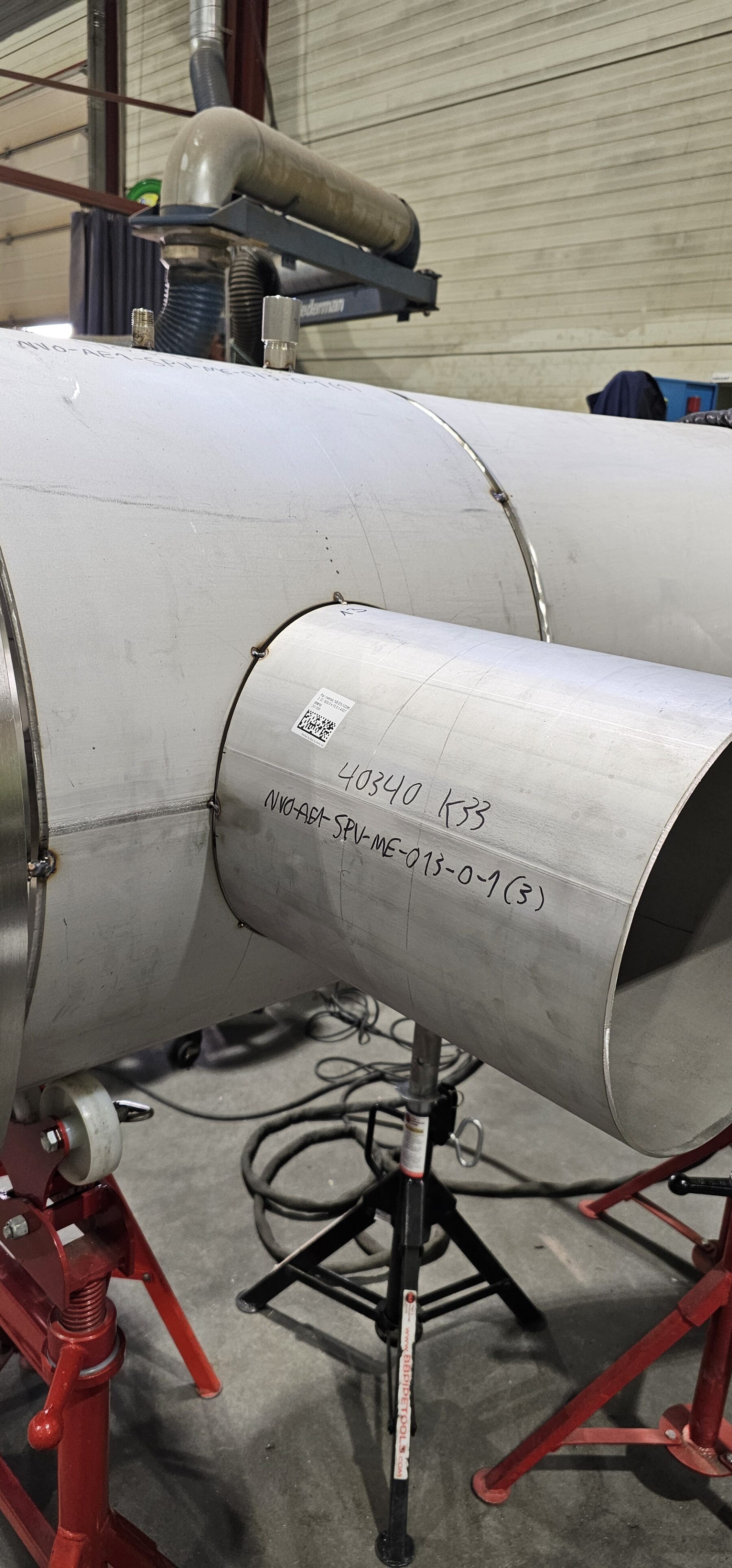
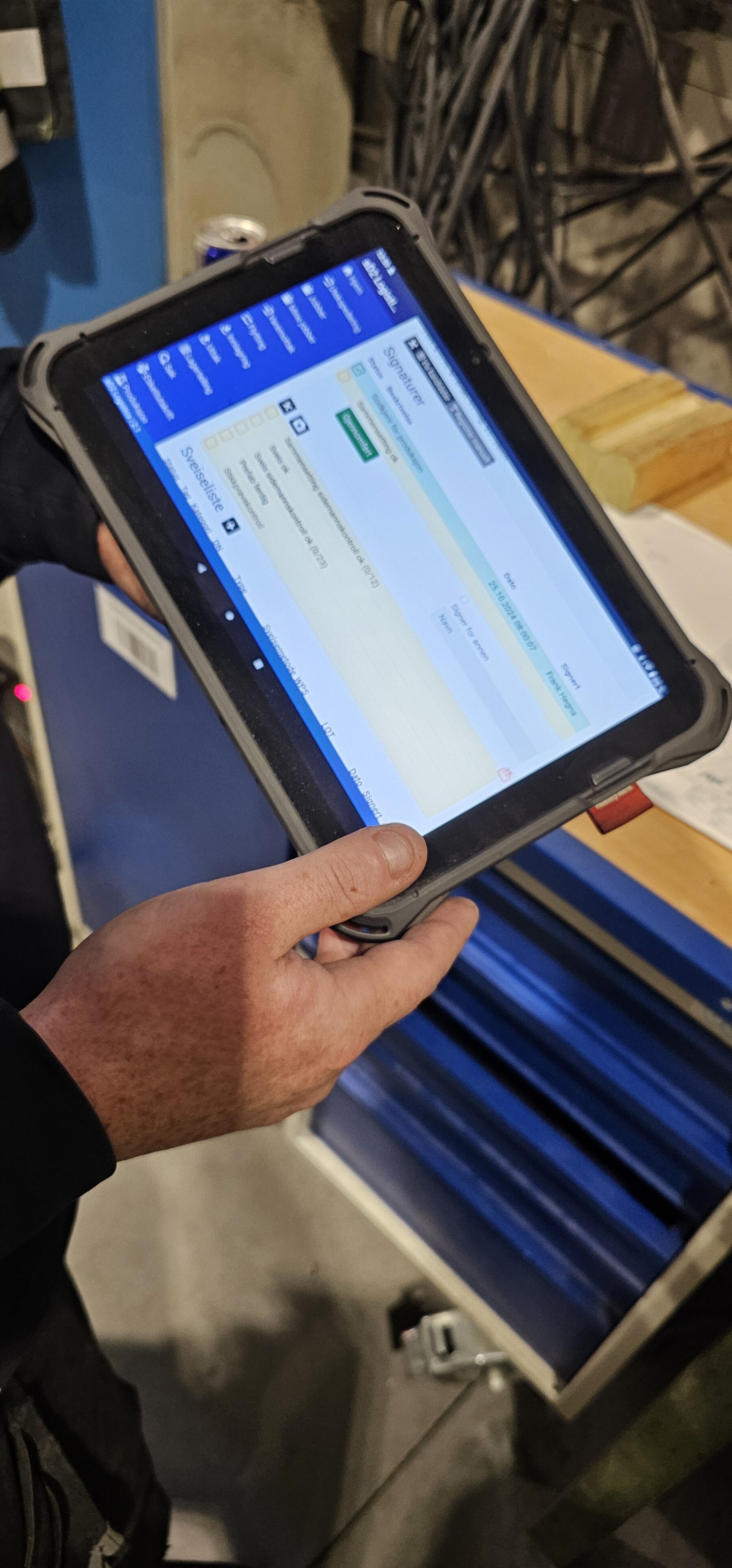
APX offers integrated production software for manufacturers of pipes and prefabricated pipe assemblies. Connect your production line to generate schedules, recipes and work orders electronically. The system can send parameters directly to machines and control robots to automate production. It captures production data for quality monitoring, with digital checkpoints and non-conformance reporting to help ensure products meet requirements. Trace each batch back to its materials, operator and production window for quality checks and audits.
Transport and delivery
The APX transport module plans trips and optimises routes. When goods are ready for dispatch, it selects a carrier and route based on cost, delivery time and environmental considerations. Consolidate deliveries and reduce distance travelled. Drivers and carriers receive digital waybills and instructions, and the system updates shipment status throughout the trip. Both sender and recipient can track progress in real time. Recipients can confirm delivery digitally, and the system keeps the delivery record for tracking and verification.
Construction site and installation
Scan materials as they arrive on site to confirm receipt and automatically update the work schedule. Installers can use a mobile app to see which deliveries have arrived, find out where materials are stored and link them to installation tasks. The APX platform records where components are installed in the building, supporting quality checks and operations and maintenance documentation. Site changes and deviations are logged digitally to keep project managers informed and reduce avoidable delays and errors.
Benefits of the APX solution
- Automated workflows: Replace manual and paper-based routines with digital workflows. The system handles tasks such as order processing and updates automatically, saving time and reducing manual errors.
- Full traceability: Track each component and batch throughout its life cycle. Barcodes, RFID and digital records show where an item came from, where it is and when it was installed. Use those records for quality assurance and investigations.
- Lower costs: Better warehouse, production and transport planning helps reduce waste and delays. Automation also cuts the time spent on routine tasks, lowering operating costs.
- Environmental gains: Efficient logistics and manufacturing use fewer resources and less energy. Better routes can reduce vehicle trips and CO₂ emissions. Digital documents also cut paper use.
- System integration: Connect APX with existing ERP, BIM and other IT systems. Data moves between systems automatically, reducing manual imports and duplicate entry.
Why choose APX?
Here are 16 ways APX supports plumbing, water and HVAC businesses:
- One platform – Cover the supply chain from planning and purchasing through installation and maintenance.
- Automated work – Digitise routine work and reduce the need for manual intervention.
- Real-time visibility – See current inventory, orders and project progress.
- Full traceability – Track products and materials through each stage with barcodes, RFID and digital records.
- Inventory control – Avoid overstock and shortages, helping to reduce costs and delays.
- Efficient logistics – Use built-in route planning and transport optimisation to cut costs, lead times and environmental impact.
- Integrated quality control – Use digital checklists and non-conformance records throughout production to maintain quality standards.
- Fewer errors and less waste – Digital records and checkpoints help prevent picking errors, shortages and material damage.
- Cost control – Track consumption and inventory values in real time to manage project costs and estimates.
- Reduced environmental impact – Reduce material waste, paper consumption and transport emissions.
- Scalability – Adapt the APX platform to new requirements, higher volumes or expansion into other business areas.
- Ease of use – An intuitive interface and optional mobile apps help people start working with the system quickly.
- System integration – An open API and support for standards connect APX to common ERP, CAD/BIM and project systems with minimal customisation.
- Standardised data – Use common formats and identifiers, such as GS1 standards, so partners can exchange information consistently.
- Better collaboration – Suppliers, installers and other teams share one platform to coordinate work and reduce misunderstandings.
- Experience and support – APX brings industry experience and a dedicated team to support customers through implementation and day-to-day operations.
Modern digital tools offer plumbing businesses a way to improve how materials move from suppliers to the site. APX provides a proven solution across the supply chain. It helps businesses work more efficiently, improve delivery quality, lower costs and stay competitive as requirements change.
Want to see how APX can help your business? Contact us for more information or to arrange a no-obligation demonstration. APX helps customers build faster and more cost-effectively by connecting the supply chain to the construction site and continually improving the way they work.
APX connects purchasing, production and warehouse logistics to help your teams work more efficiently.
Tracing installation materials through the HVAC supply chain
In plumbing logistics, a purchasing team needs to know which components a project calls for, while the warehouse needs to know which delivery they belong to. Linking a material list to the order gives both teams a shared reference before the components reach the installation site.